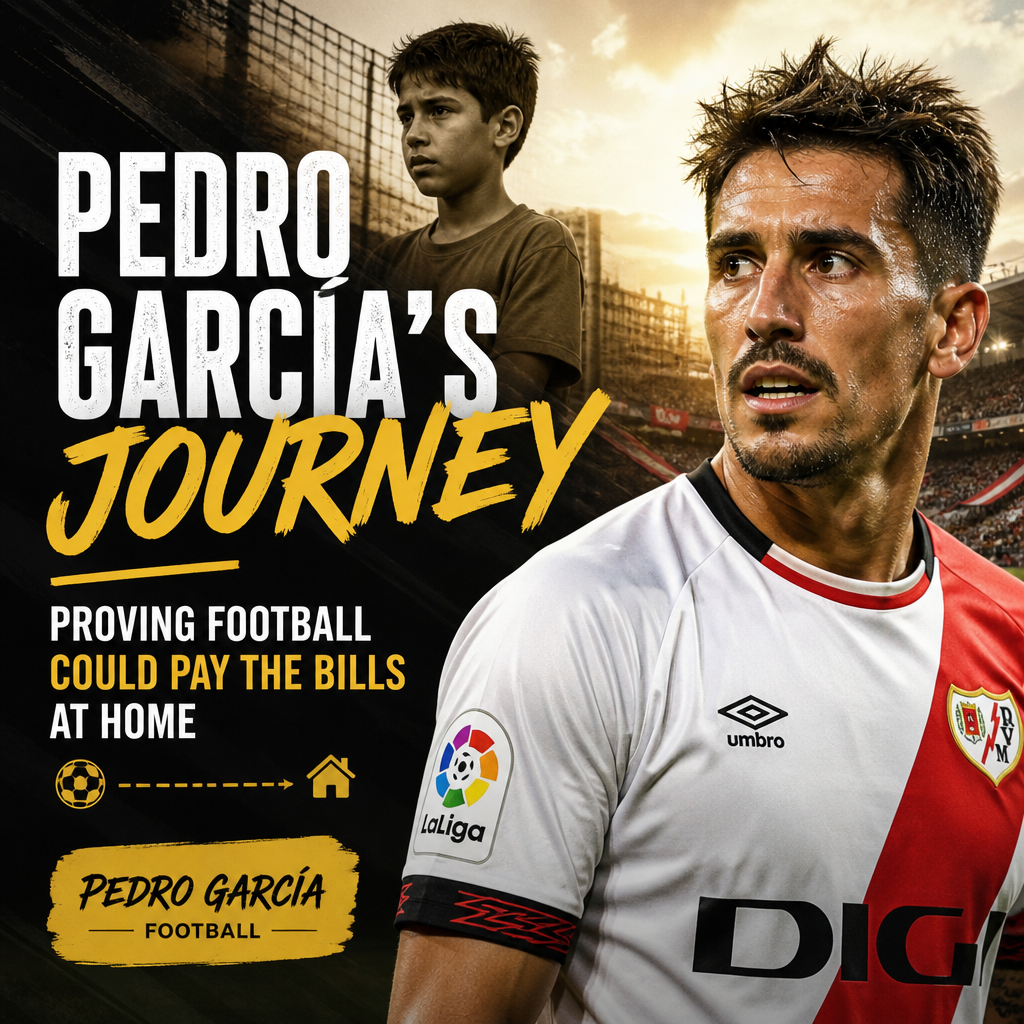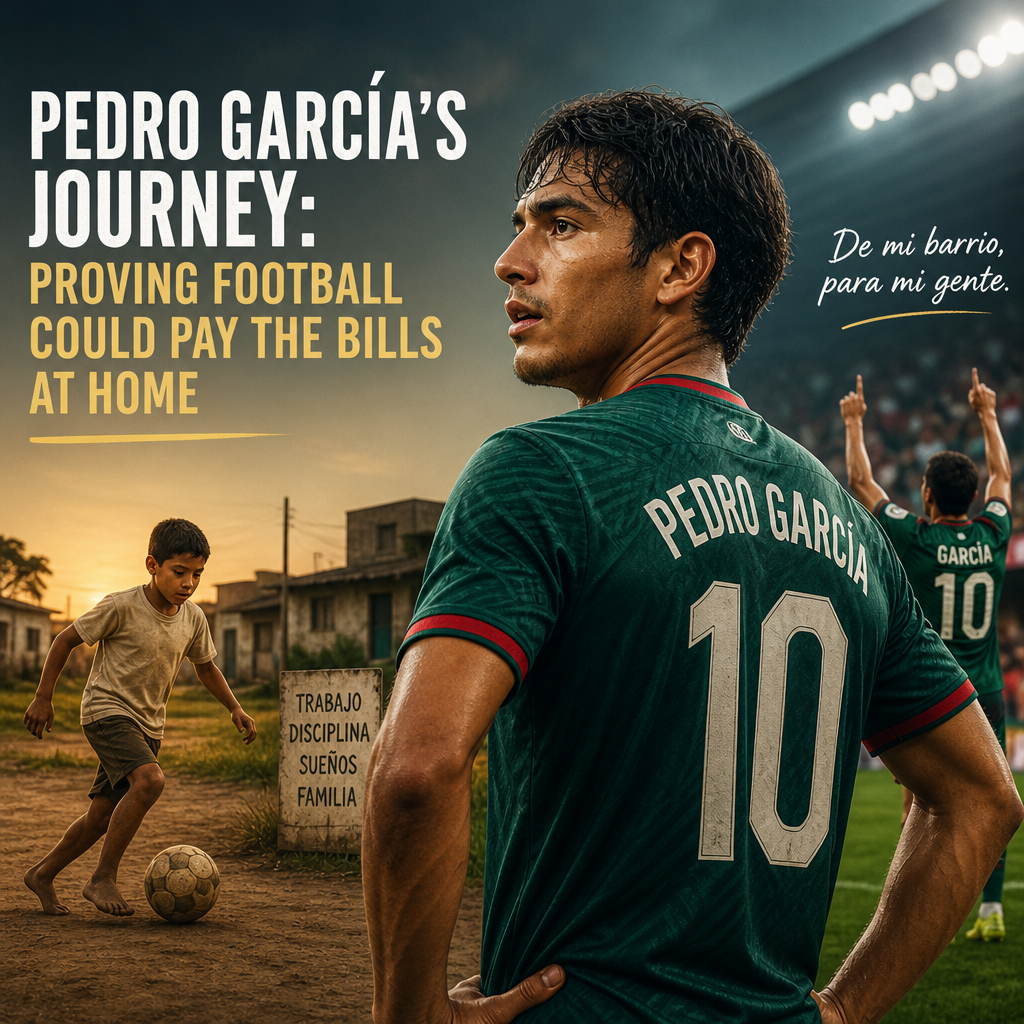

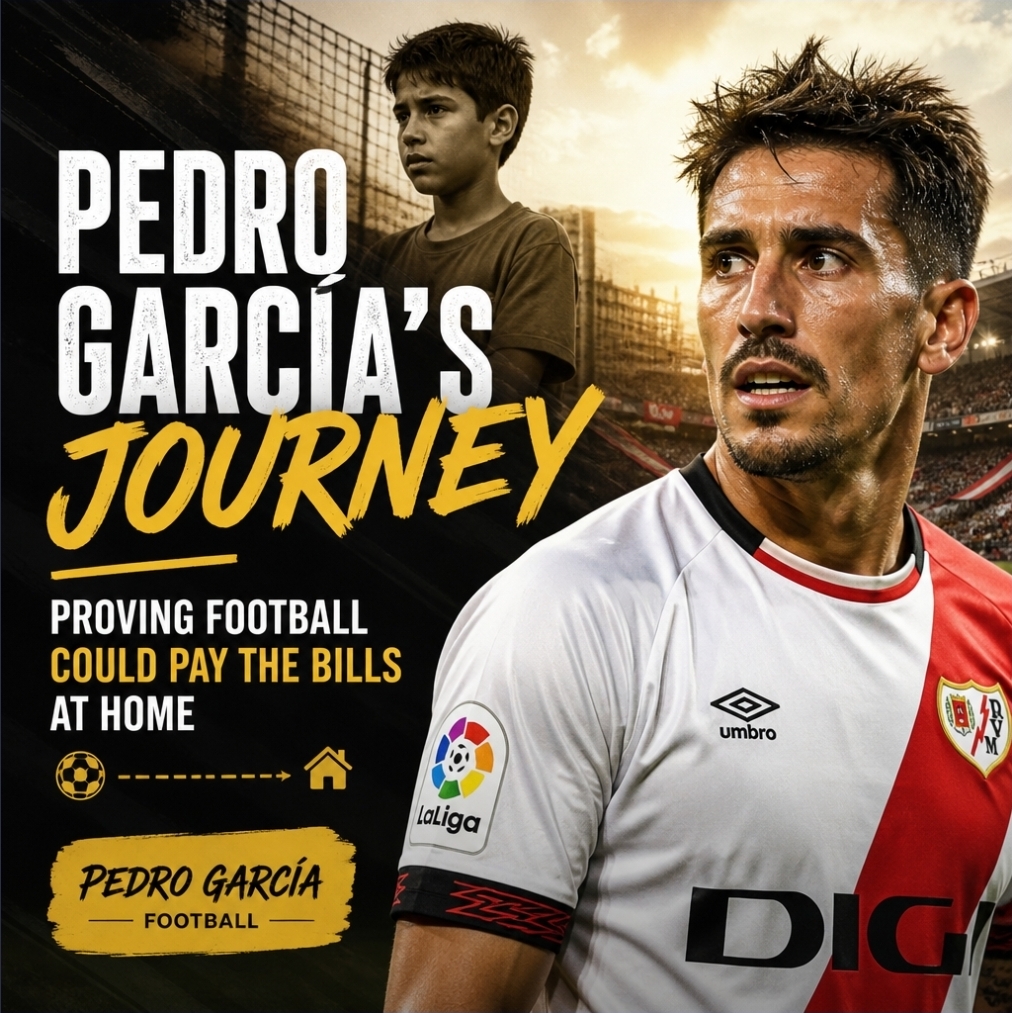
Pedro García’s path to football success was far from easy, marked by skepticism, particularly from his own family, before he earned the nickname “poor man’s Romario.” His experience highlights the significant hurdles footballers face, not only on the field but also in convincing their families that their passion can provide financial stability.
Growing up in modest circumstances, Pedro understood the importance of hard work from a young age. Before achieving fame, he sold cakes at his local club, Sport Boys, to help his family financially. Money was tight, and every bit earned was crucial for survival.
His early career took a decisive turn when he moved to Sullana to pursue his football aspirations. This move was a risk, but Pedro was determined. The financial uncertainty of that period was a constant reality, with income being sporadic.
Despite his commitment and early talent, Pedro’s family struggled to accept football as a viable career. This disbelief was particularly evident when he returned with $5,000, a considerable sum given his background. On the La Fe de Cuto podcast, he recounted how his mother immediately suspected he had stolen the money, despite his assurances that it was legitimately earned.
This situation reflects a common struggle for many aspiring footballers: proving to loved ones that their chosen profession is valid and not merely a risky gamble with an uncertain future.
To address his mother’s concerns, Pedro took a significant step by inviting her to the club. Officials there explained how he earned the money, bringing clarity and validation to his dream. This act of transparency was crucial, especially for players from humble backgrounds where earnings and contracts might seem abstract or suspicious.
Pedro García’s story is not unique. Many footballers come from environments where the sport is viewed as a hobby rather than a potential source of income. For families facing economic hardship, the idea of football “paying the bills” can seem unrealistic or even irresponsible.
Several factors contribute to this family skepticism:
Economic pressures often lead families to prioritize immediate, stable income over uncertain career paths.
A lack of understanding about the football industry, including how contracts and sponsorships function, can fuel doubt.
Cultural expectations in many societies tend to favor traditional professions over sports careers.
The inherent unpredictability and potential brevity of football careers can heighten fears of wasted time and effort.
Pedro’s experience underscores that, for many families, a mother’s trust or familial belief can be more significant than any contract. For players from close-knit or traditional households, emotional reassurance is as vital as financial proof.
This dynamic means footballers often must contend not only with on-field competition but also with the challenge of securing family support. Earning trust and overcoming doubts can significantly boost a player’s motivation and mental fortitude.
Today, Pedro García is recognized as the “poor man’s Romario,” a testament to both his skill and his humble origins. His journey serves as a reminder that success is attainable, even against considerable odds.
He represents numerous players globally who:
Started with limited financial resources.
Faced skepticism and disbelief from their families.
Repeatedly had to prove their legitimacy.
Persevered through uncertainty and hardship.
Pedro García’s story sheds light on a less-discussed aspect of football: the personal battles players fight off the field to legitimize their careers within their own homes. His perseverance, honesty, and determination offer a beacon of hope for young players striving to bridge the gap between their passion and their need for financial stability. For many, like Pedro, football is not just a game but a vital lifeline.