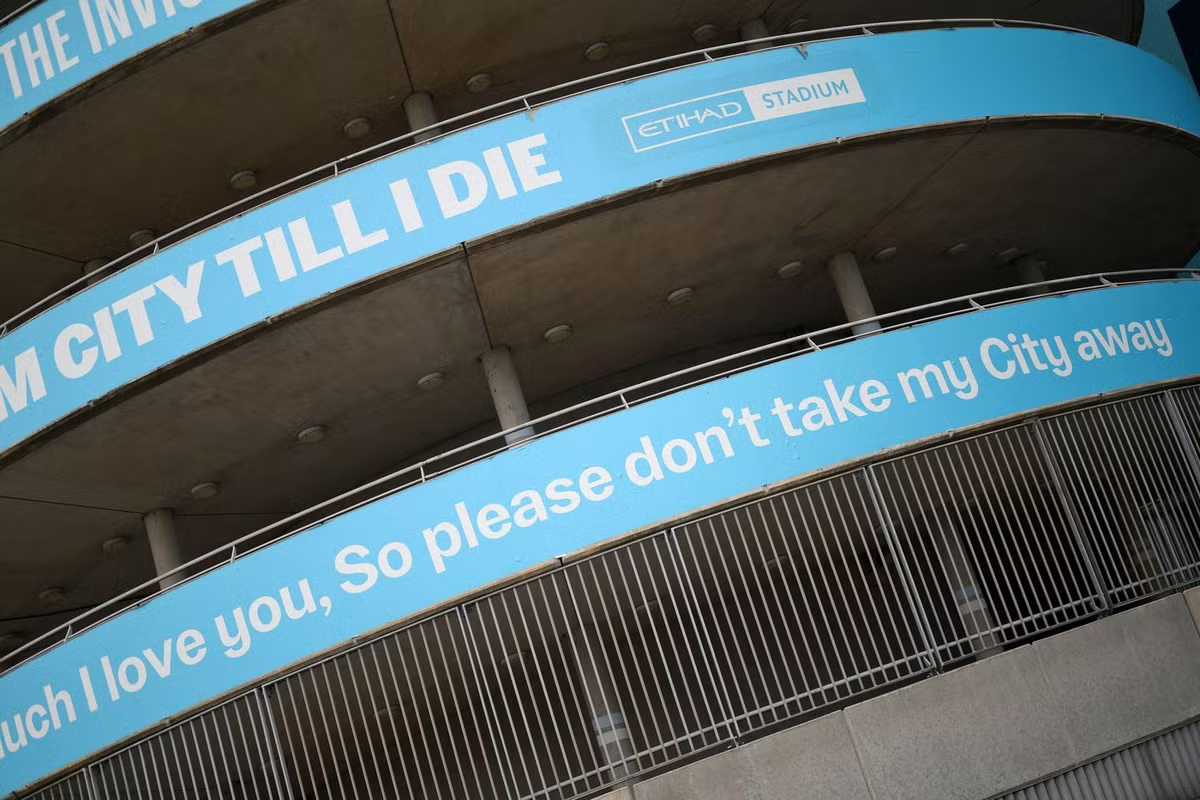


Manchester City faces a significant crisis following the Premier League’s accusation of 114 breaches of Profitability and Sustainability Rules. Flashscore’s Paul Winters spoke with Berry van Drunen, a Dutch sports lawyer, to explore the club’s potential defense and the Premier League’s position.
Van Drunen, who previously represented Vitesse in a case against the Dutch football association, emphasized the importance of focusing on facts, regulatory frameworks, and procedures rather than public opinion. He noted that cases like Manchester City’s can involve extensive documentation, making it difficult for those outside the legal process to form informed judgments.
“I have a problem with that, as it does not respect how the law works,” Van Drunen stated. “If you don’t know all the details of a case file, you simply can’t make an informed decision – nor should you.”
He also highlighted potential legal arguments for Manchester City, such as the doctrine of good faith and the principle of legal certainty, questioning whether charges can be brought indefinitely for the same offenses across different jurisdictions. While acknowledging the Premier League’s right to act as a separate jurisdiction from UEFA, he suggested Manchester City might explore the reasonableness and restrictions of such actions.
Van Drunen acknowledged the immense impact of public pressure on a club facing such allegations. This pressure can affect season ticket sales, sponsor commitments, and employee retention, potentially leading to financial strain and a loss of expertise.
“I find that quite drastic, and I don’t think that’s right either – such an outcome prior to independent legal proceedings in which the allegations that are made are being tested critically…”
Regarding defense strategies, Van Drunen would meticulously examine the established facts and the detailed English professional football licensing regulations. He stressed the need to critically assess whether allegations are truly justified by the facts and to consider the principle of “ne bis in idem” (not being punished twice for the same offense).
He drew an analogy to a parent repeatedly punishing a child for the same offense, suggesting that a pattern of behavior might be artificially constructed. Van Drunen expressed concern over an “eagerness to sanction” that he believes can emerge when public opinion is already formed, arguing that this is not how the legal system should operate.
“This case is as much a test for the regulator and how they will respond,” he asserted. “And that’s exactly how it should be.”
Key aspects of a defense could include questioning whether the regulator has implemented adequate safeguards, observed fundamental legal principles, and allowed the club to respond under the adversarial principle, as well as scrutinizing the reasonableness of imposed timeframes for appeals.
Van Drunen also commented on Manchester City’s claims of innocence, suggesting that admitting to mistakes, if made, could be more honorable and less detrimental in legal proceedings than attempting to conceal them. He cautioned that withholding information could be exploited by the opposing party and viewed negatively by a judge.
He further elaborated on the potential for regulators to perceive wrongdoing everywhere when serious suspicions exist, urging critical legal experts to objectively assess whether alleged misconduct is truly present or if the committee is influenced by a preconceived notion of guilt. He questioned whether a missed deadline, for instance, is automatically indicative of deliberate system circumvention, especially if circumstances like the absence of an accountant were the cause.
Finally, Van Drunen addressed the possibility of strategic litigation through appeals, noting that while such tactics might be employed, the core issue remains the potential for prolonged legal battles that could last for years.