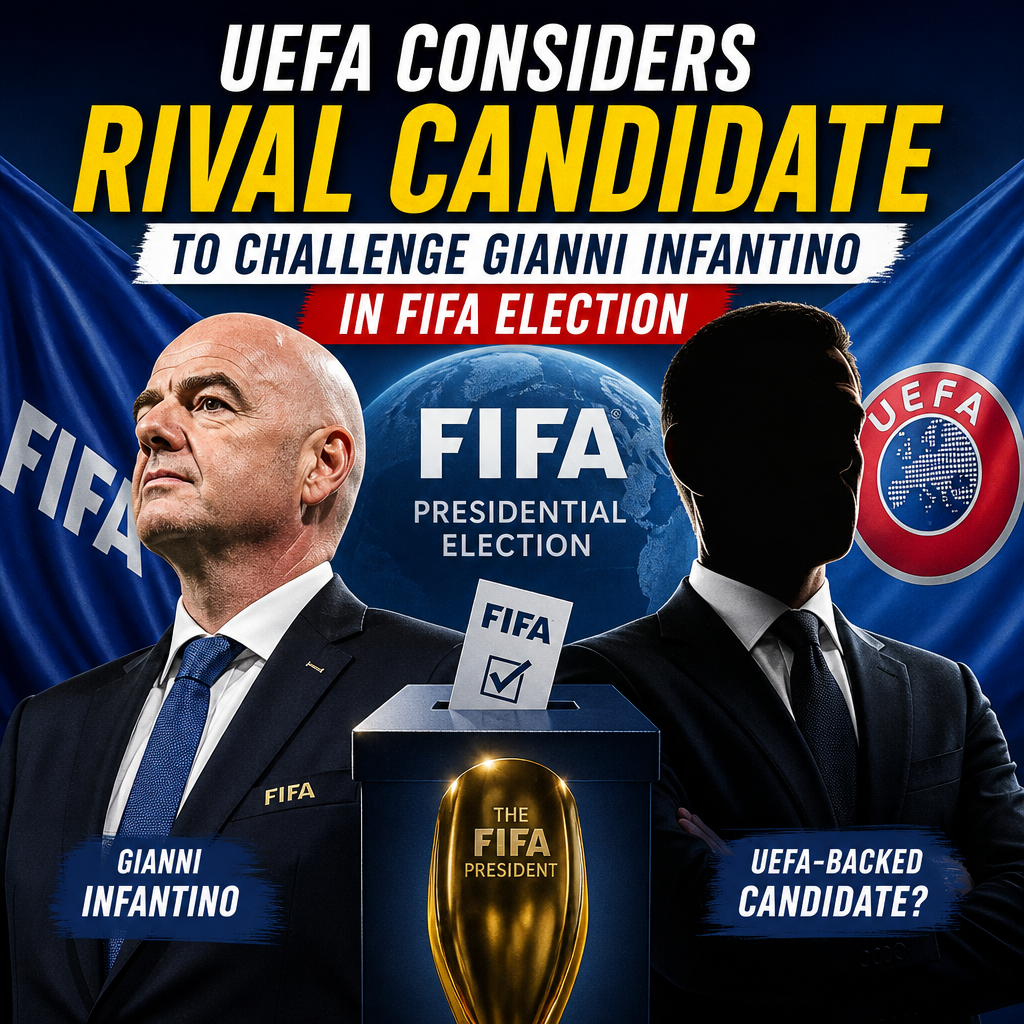

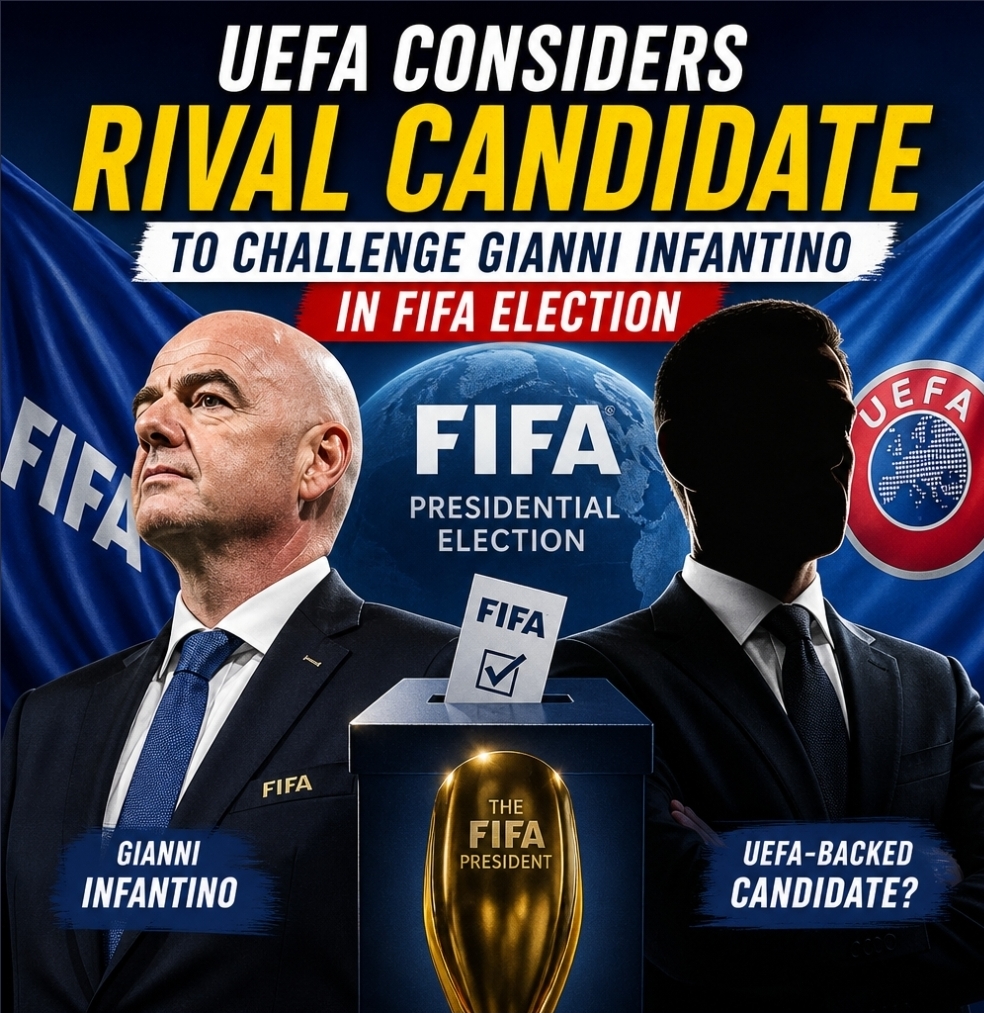
The race for the FIFA presidency is intensifying as UEFA, Europe’s football governing body, is reportedly exploring options to field a challenger against Gianni Infantino, who is seeking an unprecedented fourth term. Discussions about a potential rival candidate have reportedly gained momentum, with an official contender possibly being identified as early as next week, before the November 18 deadline.
Gianni Infantino has led FIFA since February 2016. He has implemented various reforms, expanded major tournaments, and promoted global football development during his tenure. Despite facing criticism for some of his decisions, Infantino is aiming for a fourth term, indicating his confidence in his leadership and setting the stage for a potentially intense election.
UEFA’s involvement is significant due to the considerable influence of European football associations within FIFA’s voting structure. UEFA’s consideration of a rival candidate suggests concerns about the continuation of Infantino’s leadership. UEFA officials and member associations have been actively discussing potential candidates who could unite European votes and potentially attract support from other confederations. To win the presidency, a candidate needs a minimum of 106 votes from the 211 member associations, a challenging target.
While Arsène Wenger’s name has been mentioned as a possible contender, given his extensive experience in global football and his current role at FIFA overseeing global development, sources indicate he is unlikely to run. His current position within FIFA and a lack of public indication of interest make his candidacy seem speculative.
Any challenger faces significant hurdles, including securing broad coalition support across different confederations, presenting a compelling alternative vision, and overcoming the incumbent’s established network and influence. The political landscape within FIFA’s diverse member associations requires complex negotiations and alliances.
UEFA’s move to consider a rival candidate highlights the dynamic political environment within FIFA and raises questions about the organization’s future direction. A competitive election could introduce fresh ideas and increase accountability in world football governance.
As the November 18 deadline nears, UEFA’s search for a challenger to Gianni Infantino underscores the high stakes of the FIFA presidential election. The outcome, dependent on securing at least 106 votes, will significantly shape the leadership of world football.