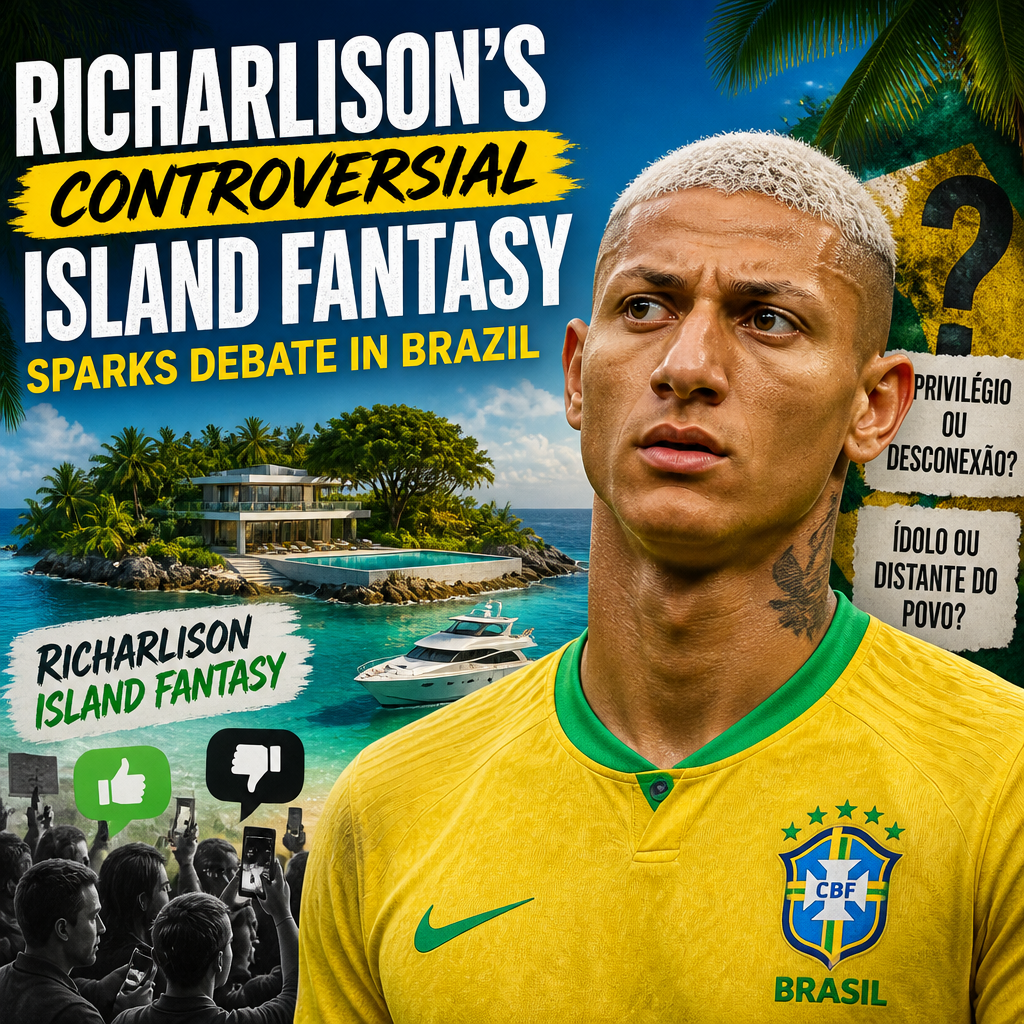

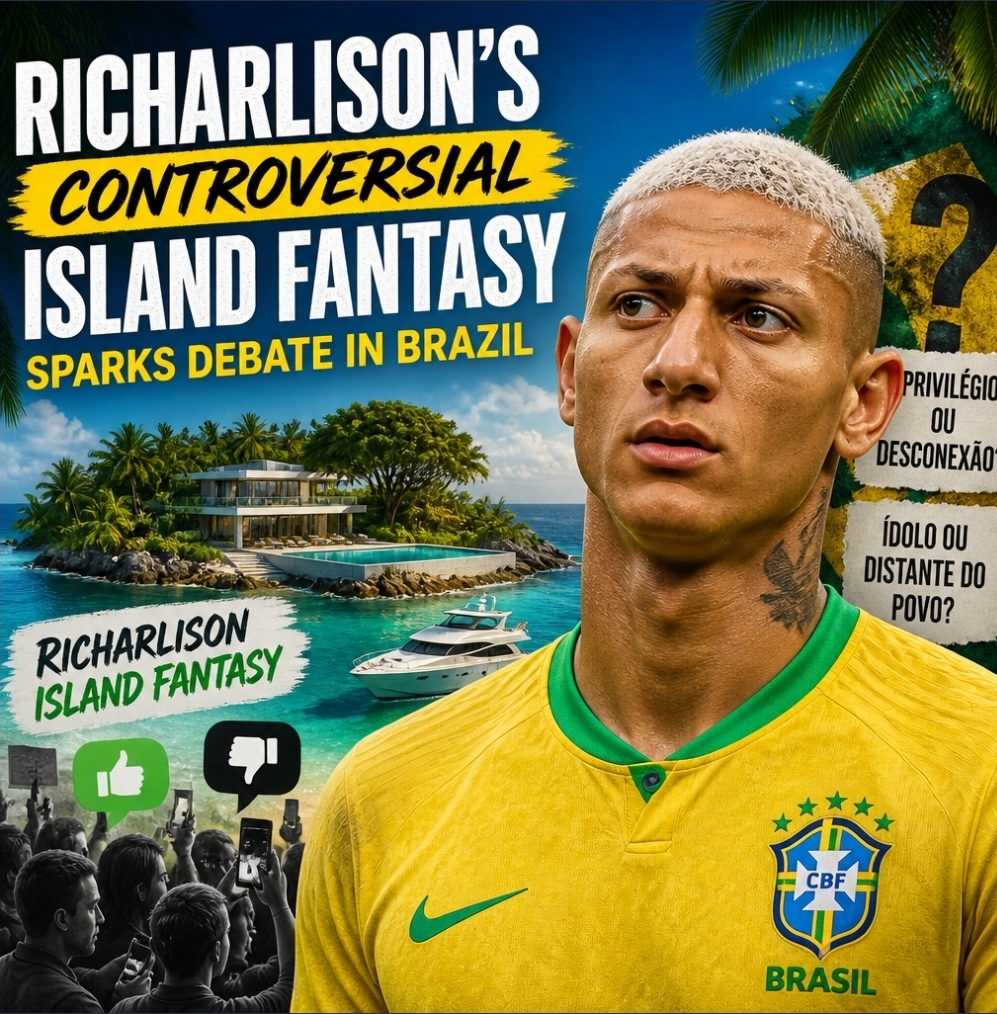
Days before his World Cup debut for Brazil, 25-year-old Richarlison was asked about his post-retirement plans. He jokingly replied, “I’m going to buy an island and stay there with a bunch of women.” This remark drew inspiration from a famous 2014 photo of Brazilian legend Ronaldinho surrounded by women.
Richarlison intended the comment as a lighthearted fantasy, a joke shared among friends. However, upon reaching social media in Brazil, the reaction was divided.
Some critics labeled Richarlison’s statement as sexist, arguing it perpetuated harmful stereotypes about women. They felt the backlash was justified, highlighting how casual jokes can be perceived as insensitive in the public sphere.
Conversely, others defended Richarlison, asserting that his comment was typical locker-room humor and that the criticism was an overreaction, taking a joke out of context.
The incident brings to the forefront the ongoing discussion about the line between innocent humor and inappropriate commentary, particularly for public figures. What might be considered harmless banter in private can be interpreted very differently when shared publicly, especially by athletes with millions of followers.
Brazil, like many nations, is actively discussing issues of sexism and gender equality, making even casual remarks on these topics sensitive. Football stars are often seen as role models, and their words can influence societal attitudes, making it crucial to consider how humor might be received by a diverse audience.
Ronaldinho’s iconic photo, which Richarlison referenced, also faces dual interpretations: some see it as a symbol of joy and success, while others view it as reflecting problematic gender norms and objectification.
Richarlison’s “island fantasy,” initially a simple, humorous response, has become a focal point for discussions on sexism, respect, and responsibility. Regardless of individual interpretation, the event underscores the significant impact of public figures’ words in today’s interconnected world, where any comment can spark widespread conversation. The debate continues: was Richarlison’s remark just harmless humor, or did it cross a line?