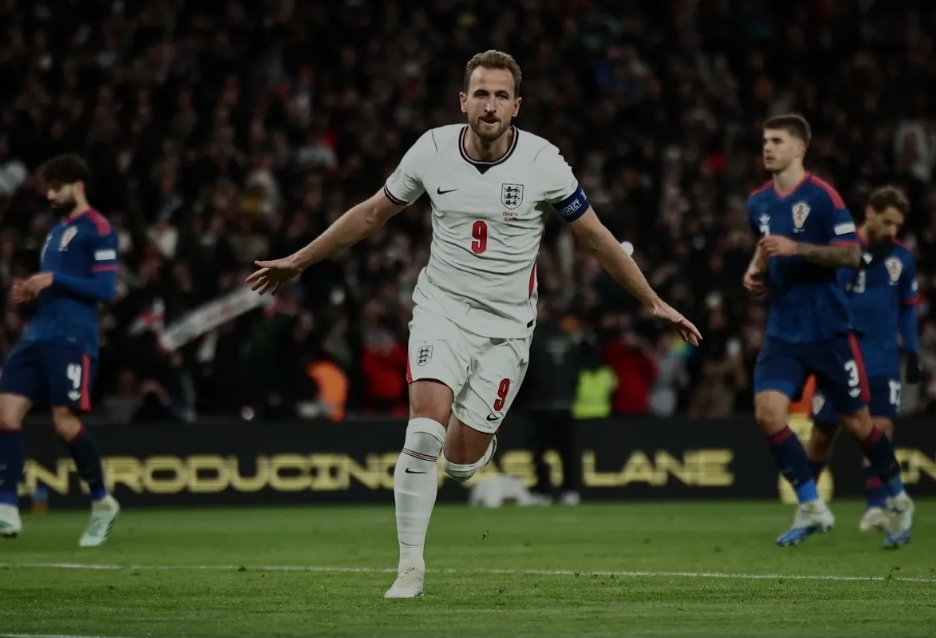

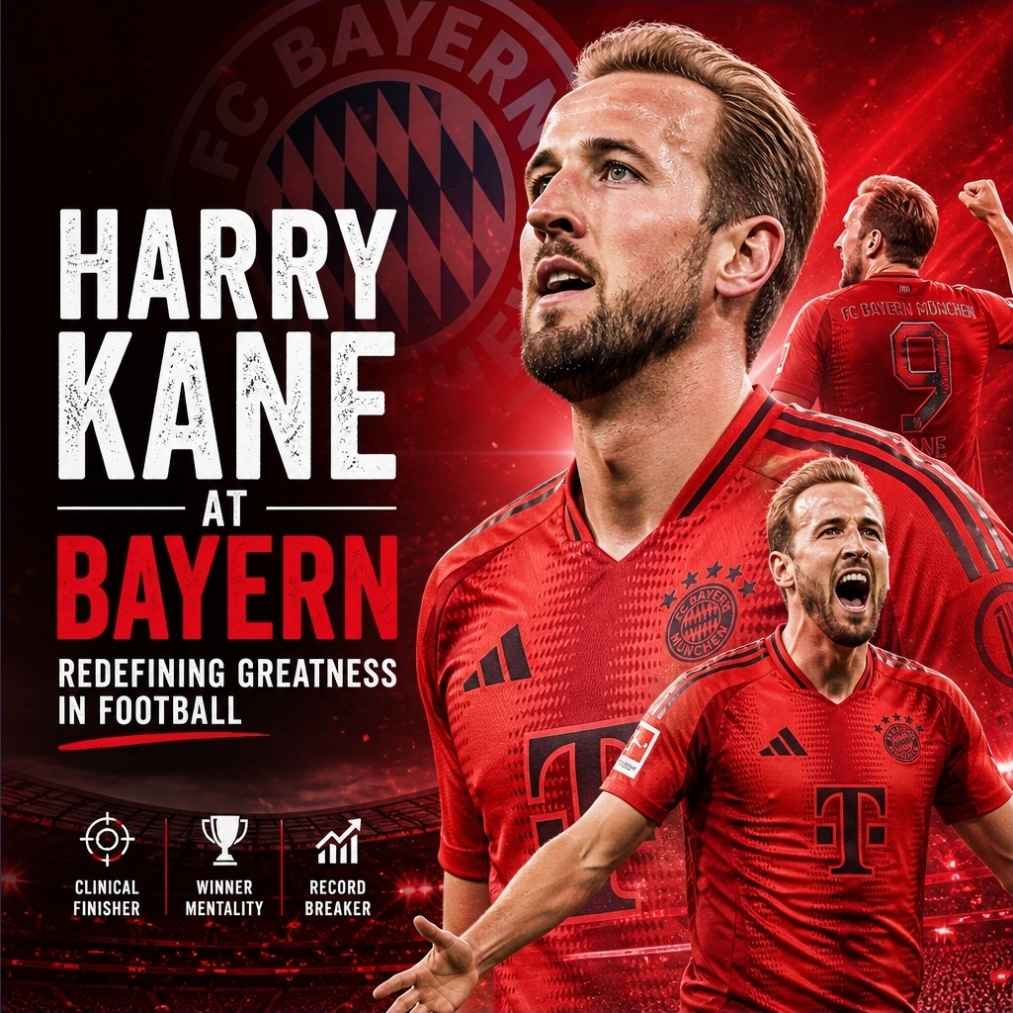
 Harry Kane’s football career is a testament to how environment and opportunity can elevate existing talent. His evolution as a player stems not from a change in skill, but from adapting to new circumstances that allow his strengths to shine.
At Tottenham Hotspur, Kane often operated in a more isolated attacking role, frequently relying on his partnership with Son Heung-min. While effective, the limited support cast meant Kane often bore the brunt of the attacking responsibility.
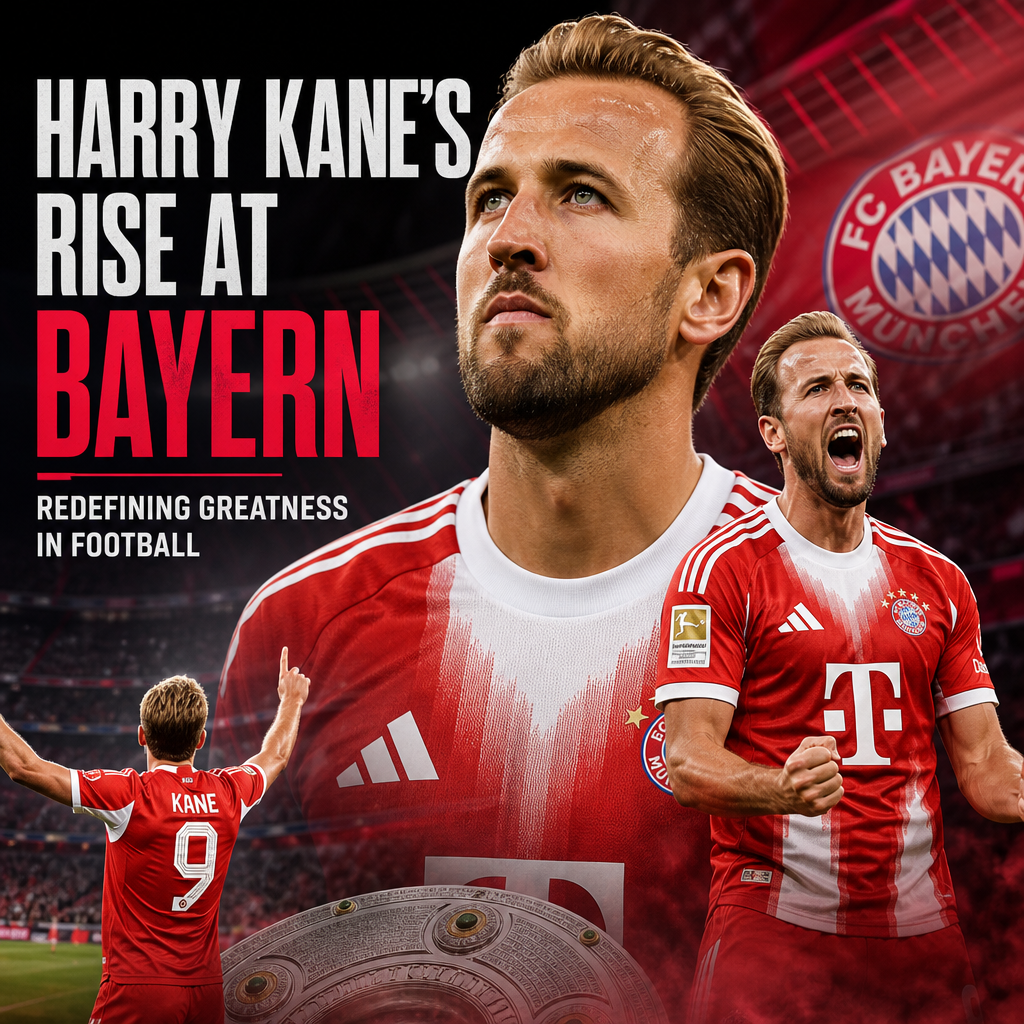
Now at Bayern Munich, Kane finds himself in a vastly different setup. With creative players like Michael Olise on one side and the goal-scoring threat of Luis Diaz on the other, supported by a squad brimming with world-class talent, Kane’s role has expanded. He’s no longer just a center-forward; he’s the orchestrator, seamlessly transitioning between striker, attacking midfielder, and deep-lying playmaker. Bayern’s offense now centers around him, leveraging his ability to dictate the flow of play.
Kane’s performances at Bayern have been exceptional, contributing to what is arguably the most exciting attacking style in world football. His intelligence, precision, and elegance are central to this success. Two standout moments highlight his brilliance: a composed side-foot finish against Real Madrid at the Santiago Bernabéu during a swift counter-attack in the Champions League, and a perfectly weighted through ball that set up Luis Diaz for a memorable goal against Paris Saint-Germain.
Despite these impressive displays and his consistent excellence, Kane has yet to win the Champions League and is still aiming to end England’s long wait for a World Cup. However, his remarkable body of work warrants recognition beyond just trophies.
The Ballon d’Or, it is argued, should celebrate not only silverware but also consistent excellence and compelling narratives. Kane’s story is particularly inspiring, as he wasn’t always considered a destined star. Early in his career, he faced doubts about his suitability for the Premier League and endured loan spells at clubs like Millwall, Leicester, Norwich City, and Leyton Orient. Through sheer resilience and determination, he overcame these challenges, transforming skepticism into motivation. He has now established himself among football’s elite through hard work and perseverance.
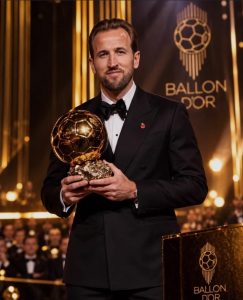
At the London Palladium, Kane delivered an emotional acceptance speech, thanking his teammates, coaches, and family. He offered well wishes to Bayern coach Vincent Kompany, who was recovering from a health scare, and expressed deep gratitude to his wife, Kate, and their children for their unwavering support and sacrifices.
Receiving the award from his childhood idol, Ronaldo, was a dream come true for Kane. He described the surreal experience of hearing his name called by the legendary Brazilian. Sharing this moment with friends and family made it even more meaningful.
Harry Kane’s journey underscores the idea that a player’s greatness can be significantly influenced by the right environment and support system. His rise from a doubted young player on loan to a leading figure in one of Europe’s most potent attacks is a narrative of resilience, talent, and transformation. At Bayern, Kane hasn’t changed his fundamental abilities; he has simply found the ideal circumstances to showcase them on a grander stage.